No. 01
Meridian Suite
The glass roof opens along the meridian — lie back and watch each object cross its highest point.
- Sleeps 2
- Opening glass roof
- Red-light mode
A dark-sky reserve & observatory stays · Bortle 1 · alt 2,400 m
Eleven rooms on a high desert plateau, two hours past the last streetlight — each with a glass roof, a red lamp, and the entire sky.
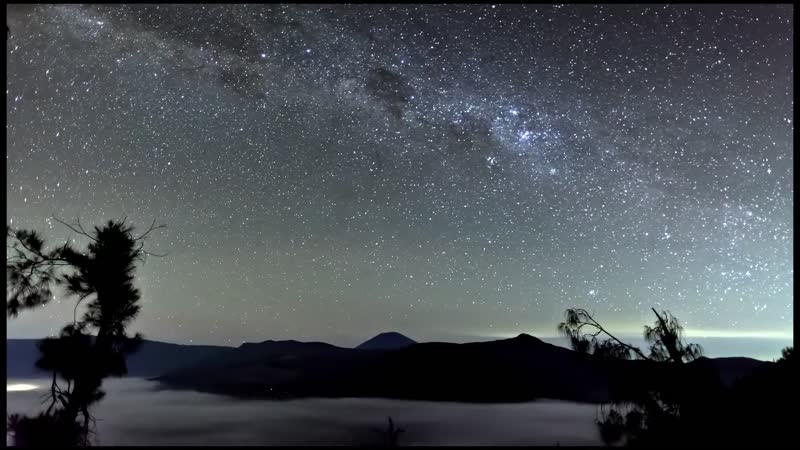
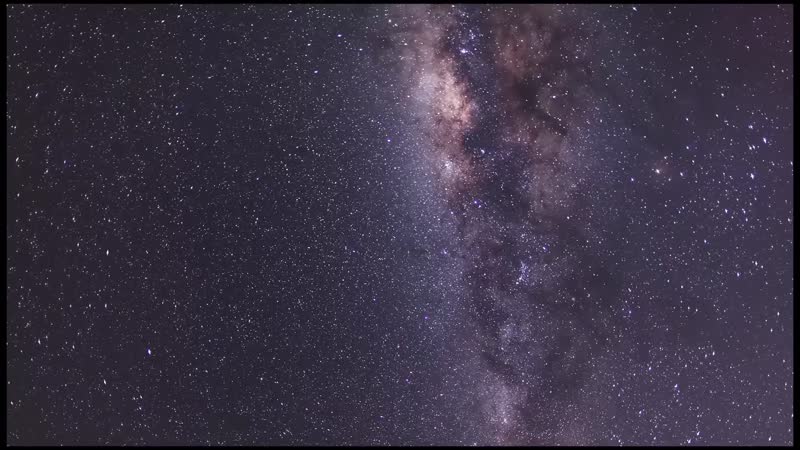
Most of us live our whole lives under a hundred stars. The reserve sits under eight thousand — enough to watch the galaxy you live in by eye, from bed.
No streetlights · no headlights after 21:00 · red lamps only
The sky
Every evening the resident astronomer posts the night’s plan: what rises, what transits, and what the 0.7 m will be pointed at after dinner.
Field notes
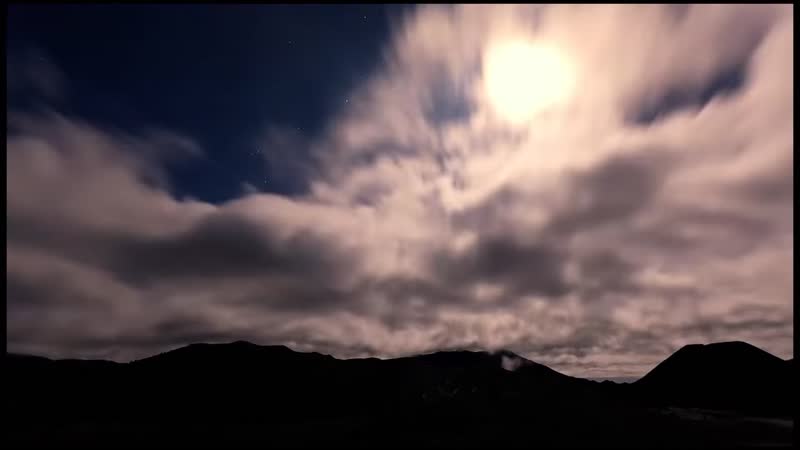
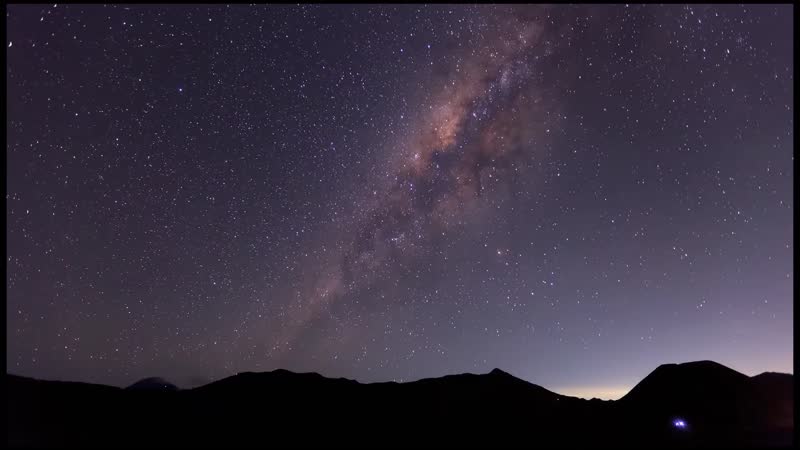
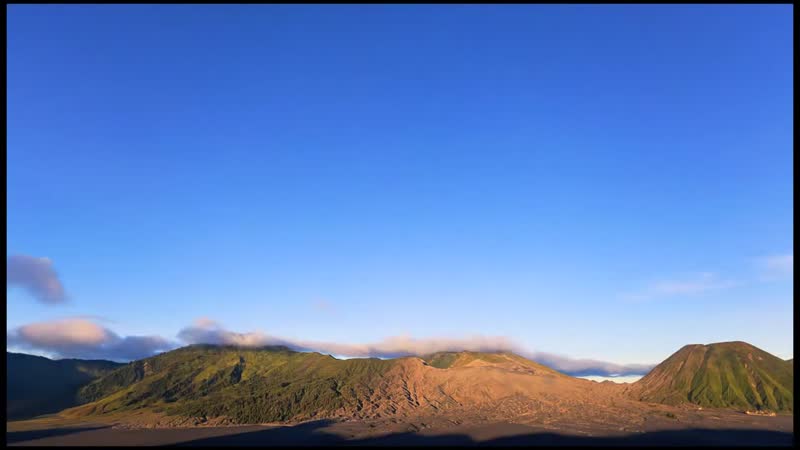
One night on the plateau — keep scrolling
The stays
Eleven rooms, three ways to sleep under the sky. Every stay includes the night’s guided session at the big telescope — and a wake-up knock when something good rises.
No. 01
The glass roof opens along the meridian — lie back and watch each object cross its highest point.
No. 02
A private 130 mm refractor on the terrace, polar-aligned and cooled to ambient by dusk.
No. 03
One wall is the observatory itself. Fall asleep to the sound of the dome turning.
From the dome
| Date | Object | Seeing | Note |
|---|---|---|---|
| Feb 11 | M42 | 0.8″ | Trapezium clean at 280×. The guests applauded, quietly. |
| Mar 02 | Jupiter | 1.1″ | Great Red Spot transit at 02:40, Io's shadow chasing it across the disc. |
| Apr 19 | Galactic core | 0.9″ | Zodiacal light bright enough to read the logbook by. No lamp needed. |
“People think they come for the telescope. They come for the dark — the telescope just proves it was worth the drive.”
The observatory
The dome runs survey work until midnight, then it’s yours. Guests queue targets with the astronomer over dinner — and keep every frame the camera takes.
0.7 m
Telescope aperture
Research-grade Ritchey–Chrétien, open to guests every clear night.
0.8″
Median seeing
High, dry, and still — the same air the big surveys queue for.
310
Clear nights a year
If your night clouds over, the next clear one is on us.
21.9
Sky darkness (mag/arcsec²)
Bortle 1. The zodiacal light casts a shadow here.
When to come
The reserve opens for the week around each new moon, when the sky is darkest. Five windows left this season.
Clouded out? Your night moves to the next clear one, free.